
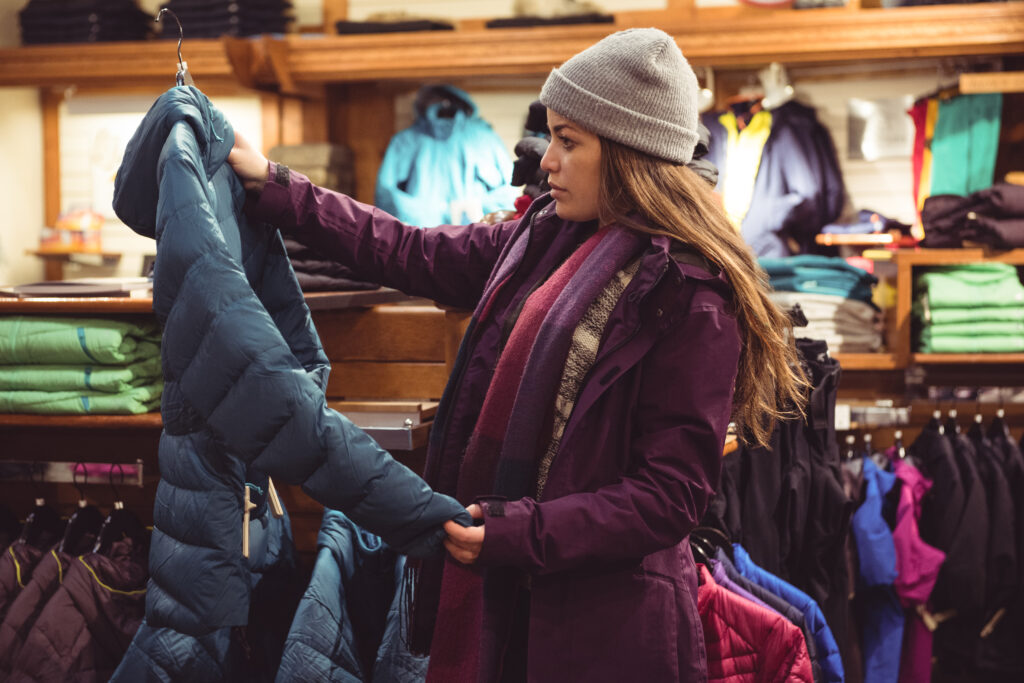
 Per- and polyfluoroalkyl substances, or PFAS, is an umbrella word for a family of thousands of compounds valued for their indestructibility and non-stick qualities. At the last count, there were roughly 12,000 different types of PFAS. For years, clothing manufacturers have used PFAS, often known as "forever chemicals," to create raincoats, boots, backpacks, and other products that are water- and stain-resistant. Almost 50% of all PFAS are used globally in the textile industry. The ability of PFAS to repel water and oil allows textile makers to create textiles that are waterproof and stain-resistant. As a result, PFAS are frequently utilized in outdoor clothing and accessories (e.g., waterproof shoes, jackets, backpacks, tents).
Yet, a rising amount of evidence indicates that the environment and human health are both negatively impacted by these chemicals.
The PFAS ability to reject grease and water as well as their high mobility allow them to migrate into the environment after leaving their original products, for example, by sliding out of abandoned landfills. This is unfortunate because many PFAS also have a tendency to bioaccumulate, which means they are taken up by living things more quickly than they can be eliminated and hence accumulate over time. PFAS have the potential to be harmful to both people and animals. PFOA and PFOS, two of the most researched members of this family of chemicals, have been associated with lowered immunological responses in children following vaccination.
Although the major transition away from PFAS in textiles is already in motion, the earliest state prohibitions won't go into effect until 2025. Businesses are currently vying to remove them from clothing before state-level restrictions go into effect over the next few years.
Until the regulations are made, consumers are left to determine for themselves whether the products they currently own or wish to purchase contain PFAS.
As stated by Danielle Melgar, from Public Interest Research Groups, as there are no labeling regulations for PFAS, businesses can essentially say whatever they want, and many times this results in purposefully false labeling. The advocates from the Natural Resources Defense Council and Fashion FWD report that even though there are some PFAS labels, some of them may be inaccurate or misleading. For instance, watch out for labels that state that a piece of clothing is devoid of a particular PFAS chemical, such as PFOA- or PFOS-free clothing, as this could indicate the use of other kinds of PFAS.
As posited in an article by Zahra Hijri, a Bloomberg writer, according to the research work, even the designation "PFC-free" may be deceptive if businesses merely use PFC to refer to a portion of PFAS compounds rather than all of them. Activists advise customers to inquire with the manufacturer if a product includes PFAs, particularly so-called PFAS polymers, regardless of the label.
Although a few brands have spearheaded the move away from PFAS, such as the PFC-Free label used by Jack Wolfskin, Vaude Sport, and Haglofs, consumers will still need to wait until more stringent laws make PFAS-free solutions more widely available for many more brands. Many advocates have spoken against this challenge for consumers to identify the PFAS-free products. Avinash Kar from the Natural Resources Defense Council states that instead of consumers buying their way out of the problem, passing PFAS labeling rules helps ensure that the things people purchase are not damaging to them or the environment, which is something the manufacturers should be making sure of.
References:
Hirji, Zahra. 2023. Navigating the Wild West of PFAS Labeling on Clothing. Retrieved from https://www.bloomberg.com/news/articles/2023-02-09/is-your-raincoat-made-with-pfas-it-may-be-hard-to-find-out?leadSource=uverify%20wall
Salvidge Rachel & Leana, Hosea. 2023. What are PFAS, how toxic are they and how do you become exposed? Retrieved from https://www.theguardian.com/environment/2023/feb/23/what-are-pfas-forever-chemicals-how-toxic-are-they-and-how-do-you-become-exposed
Straková, J., Grechko, V., Brosché, S., Karlsson, T., Buonsante, V. PFAS in Clothing: Study in Indonesia, China, and Russia Shows Barriers for Non-toxic Circular Economy. International Pollutants Elimination Network (IPEN), February 2022.
Photo by wavebreakmedia_micro via https://www.freepik.com/
Per- and polyfluoroalkyl substances, or PFAS, is an umbrella word for a family of thousands of compounds valued for their indestructibility and non-stick qualities. At the last count, there were roughly 12,000 different types of PFAS. For years, clothing manufacturers have used PFAS, often known as "forever chemicals," to create raincoats, boots, backpacks, and other products that are water- and stain-resistant. Almost 50% of all PFAS are used globally in the textile industry. The ability of PFAS to repel water and oil allows textile makers to create textiles that are waterproof and stain-resistant. As a result, PFAS are frequently utilized in outdoor clothing and accessories (e.g., waterproof shoes, jackets, backpacks, tents).
Yet, a rising amount of evidence indicates that the environment and human health are both negatively impacted by these chemicals.
The PFAS ability to reject grease and water as well as their high mobility allow them to migrate into the environment after leaving their original products, for example, by sliding out of abandoned landfills. This is unfortunate because many PFAS also have a tendency to bioaccumulate, which means they are taken up by living things more quickly than they can be eliminated and hence accumulate over time. PFAS have the potential to be harmful to both people and animals. PFOA and PFOS, two of the most researched members of this family of chemicals, have been associated with lowered immunological responses in children following vaccination.
Although the major transition away from PFAS in textiles is already in motion, the earliest state prohibitions won't go into effect until 2025. Businesses are currently vying to remove them from clothing before state-level restrictions go into effect over the next few years.
Until the regulations are made, consumers are left to determine for themselves whether the products they currently own or wish to purchase contain PFAS.
As stated by Danielle Melgar, from Public Interest Research Groups, as there are no labeling regulations for PFAS, businesses can essentially say whatever they want, and many times this results in purposefully false labeling. The advocates from the Natural Resources Defense Council and Fashion FWD report that even though there are some PFAS labels, some of them may be inaccurate or misleading. For instance, watch out for labels that state that a piece of clothing is devoid of a particular PFAS chemical, such as PFOA- or PFOS-free clothing, as this could indicate the use of other kinds of PFAS.
As posited in an article by Zahra Hijri, a Bloomberg writer, according to the research work, even the designation "PFC-free" may be deceptive if businesses merely use PFC to refer to a portion of PFAS compounds rather than all of them. Activists advise customers to inquire with the manufacturer if a product includes PFAs, particularly so-called PFAS polymers, regardless of the label.
Although a few brands have spearheaded the move away from PFAS, such as the PFC-Free label used by Jack Wolfskin, Vaude Sport, and Haglofs, consumers will still need to wait until more stringent laws make PFAS-free solutions more widely available for many more brands. Many advocates have spoken against this challenge for consumers to identify the PFAS-free products. Avinash Kar from the Natural Resources Defense Council states that instead of consumers buying their way out of the problem, passing PFAS labeling rules helps ensure that the things people purchase are not damaging to them or the environment, which is something the manufacturers should be making sure of.
References:
Hirji, Zahra. 2023. Navigating the Wild West of PFAS Labeling on Clothing. Retrieved from https://www.bloomberg.com/news/articles/2023-02-09/is-your-raincoat-made-with-pfas-it-may-be-hard-to-find-out?leadSource=uverify%20wall
Salvidge Rachel & Leana, Hosea. 2023. What are PFAS, how toxic are they and how do you become exposed? Retrieved from https://www.theguardian.com/environment/2023/feb/23/what-are-pfas-forever-chemicals-how-toxic-are-they-and-how-do-you-become-exposed
Straková, J., Grechko, V., Brosché, S., Karlsson, T., Buonsante, V. PFAS in Clothing: Study in Indonesia, China, and Russia Shows Barriers for Non-toxic Circular Economy. International Pollutants Elimination Network (IPEN), February 2022.
Photo by wavebreakmedia_micro via https://www.freepik.com/Identifying PFAS in Clothing Labels is an Ongoing Challenge
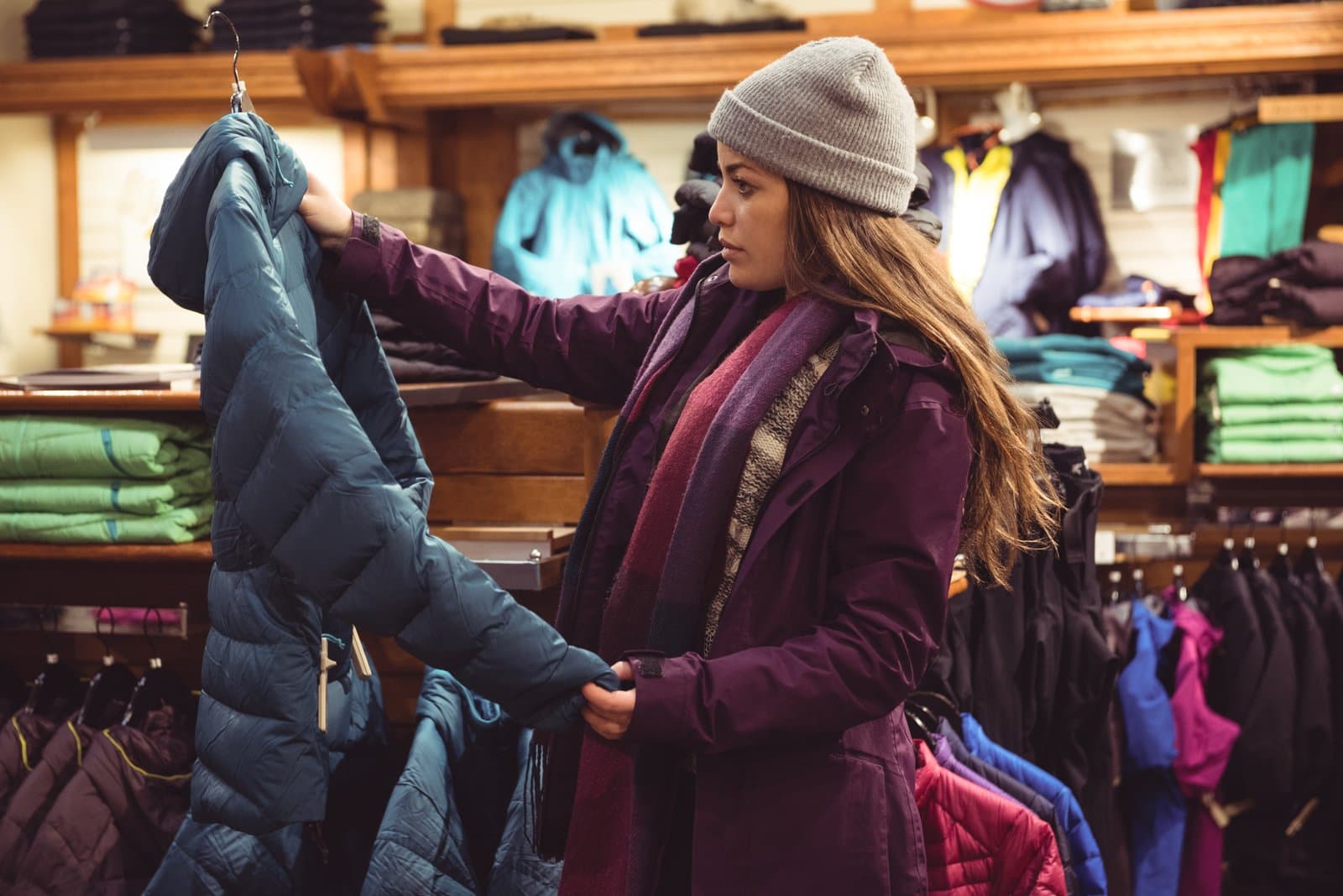 Per- and polyfluoroalkyl substances, or PFAS, is an umbrella word for a family of thousands of compounds valued for their indestructibility and non-stick qualities. At the last count, there were roughly 12,000 different types of PFAS. For years, clothing manufacturers have used PFAS, often known as "forever chemicals," to create raincoats, boots, backpacks, and other products that are water- and stain-resistant. Almost 50% of all PFAS are used globally in the textile industry. The ability of PFAS to repel water and oil allows textile makers to create textiles that are waterproof and stain-resistant. As a result, PFAS are frequently utilized in outdoor clothing and accessories (e.g., waterproof shoes, jackets, backpacks, tents).
Yet, a rising amount of evidence indicates that the environment and human health are both negatively impacted by these chemicals.
The PFAS ability to reject grease and water as well as their high mobility allow them to migrate into the environment after leaving their original products, for example, by sliding out of abandoned landfills. This is unfortunate because many PFAS also have a tendency to bioaccumulate, which means they are taken up by living things more quickly than they can be eliminated and hence accumulate over time. PFAS have the potential to be harmful to both people and animals. PFOA and PFOS, two of the most researched members of this family of chemicals, have been associated with lowered immunological responses in children following vaccination.
Although the major transition away from PFAS in textiles is already in motion, the earliest state prohibitions won't go into effect until 2025. Businesses are currently vying to remove them from clothing before state-level restrictions go into effect over the next few years.
Until the regulations are made, consumers are left to determine for themselves whether the products they currently own or wish to purchase contain PFAS.
As stated by Danielle Melgar, from Public Interest Research Groups, as there are no labeling regulations for PFAS, businesses can essentially say whatever they want, and many times this results in purposefully false labeling. The advocates from the Natural Resources Defense Council and Fashion FWD report that even though there are some PFAS labels, some of them may be inaccurate or misleading. For instance, watch out for labels that state that a piece of clothing is devoid of a particular PFAS chemical, such as PFOA- or PFOS-free clothing, as this could indicate the use of other kinds of PFAS.
As posited in an article by Zahra Hijri, a Bloomberg writer, according to the research work, even the designation "PFC-free" may be deceptive if businesses merely use PFC to refer to a portion of PFAS compounds rather than all of them. Activists advise customers to inquire with the manufacturer if a product includes PFAs, particularly so-called PFAS polymers, regardless of the label.
Although a few brands have spearheaded the move away from PFAS, such as the PFC-Free label used by Jack Wolfskin, Vaude Sport, and Haglofs, consumers will still need to wait until more stringent laws make PFAS-free solutions more widely available for many more brands. Many advocates have spoken against this challenge for consumers to identify the PFAS-free products. Avinash Kar from the Natural Resources Defense Council states that instead of consumers buying their way out of the problem, passing PFAS labeling rules helps ensure that the things people purchase are not damaging to them or the environment, which is something the manufacturers should be making sure of.
References:
Hirji, Zahra. 2023. Navigating the Wild West of PFAS Labeling on Clothing. Retrieved from https://www.bloomberg.com/news/articles/2023-02-09/is-your-raincoat-made-with-pfas-it-may-be-hard-to-find-out?leadSource=uverify%20wall
Salvidge Rachel & Leana, Hosea. 2023. What are PFAS, how toxic are they and how do you become exposed? Retrieved from https://www.theguardian.com/environment/2023/feb/23/what-are-pfas-forever-chemicals-how-toxic-are-they-and-how-do-you-become-exposed
Straková, J., Grechko, V., Brosché, S., Karlsson, T., Buonsante, V. PFAS in Clothing: Study in Indonesia, China, and Russia Shows Barriers for Non-toxic Circular Economy. International Pollutants Elimination Network (IPEN), February 2022.
Photo by wavebreakmedia_micro via https://www.freepik.com/
Per- and polyfluoroalkyl substances, or PFAS, is an umbrella word for a family of thousands of compounds valued for their indestructibility and non-stick qualities. At the last count, there were roughly 12,000 different types of PFAS. For years, clothing manufacturers have used PFAS, often known as "forever chemicals," to create raincoats, boots, backpacks, and other products that are water- and stain-resistant. Almost 50% of all PFAS are used globally in the textile industry. The ability of PFAS to repel water and oil allows textile makers to create textiles that are waterproof and stain-resistant. As a result, PFAS are frequently utilized in outdoor clothing and accessories (e.g., waterproof shoes, jackets, backpacks, tents).
Yet, a rising amount of evidence indicates that the environment and human health are both negatively impacted by these chemicals.
The PFAS ability to reject grease and water as well as their high mobility allow them to migrate into the environment after leaving their original products, for example, by sliding out of abandoned landfills. This is unfortunate because many PFAS also have a tendency to bioaccumulate, which means they are taken up by living things more quickly than they can be eliminated and hence accumulate over time. PFAS have the potential to be harmful to both people and animals. PFOA and PFOS, two of the most researched members of this family of chemicals, have been associated with lowered immunological responses in children following vaccination.
Although the major transition away from PFAS in textiles is already in motion, the earliest state prohibitions won't go into effect until 2025. Businesses are currently vying to remove them from clothing before state-level restrictions go into effect over the next few years.
Until the regulations are made, consumers are left to determine for themselves whether the products they currently own or wish to purchase contain PFAS.
As stated by Danielle Melgar, from Public Interest Research Groups, as there are no labeling regulations for PFAS, businesses can essentially say whatever they want, and many times this results in purposefully false labeling. The advocates from the Natural Resources Defense Council and Fashion FWD report that even though there are some PFAS labels, some of them may be inaccurate or misleading. For instance, watch out for labels that state that a piece of clothing is devoid of a particular PFAS chemical, such as PFOA- or PFOS-free clothing, as this could indicate the use of other kinds of PFAS.
As posited in an article by Zahra Hijri, a Bloomberg writer, according to the research work, even the designation "PFC-free" may be deceptive if businesses merely use PFC to refer to a portion of PFAS compounds rather than all of them. Activists advise customers to inquire with the manufacturer if a product includes PFAs, particularly so-called PFAS polymers, regardless of the label.
Although a few brands have spearheaded the move away from PFAS, such as the PFC-Free label used by Jack Wolfskin, Vaude Sport, and Haglofs, consumers will still need to wait until more stringent laws make PFAS-free solutions more widely available for many more brands. Many advocates have spoken against this challenge for consumers to identify the PFAS-free products. Avinash Kar from the Natural Resources Defense Council states that instead of consumers buying their way out of the problem, passing PFAS labeling rules helps ensure that the things people purchase are not damaging to them or the environment, which is something the manufacturers should be making sure of.
References:
Hirji, Zahra. 2023. Navigating the Wild West of PFAS Labeling on Clothing. Retrieved from https://www.bloomberg.com/news/articles/2023-02-09/is-your-raincoat-made-with-pfas-it-may-be-hard-to-find-out?leadSource=uverify%20wall
Salvidge Rachel & Leana, Hosea. 2023. What are PFAS, how toxic are they and how do you become exposed? Retrieved from https://www.theguardian.com/environment/2023/feb/23/what-are-pfas-forever-chemicals-how-toxic-are-they-and-how-do-you-become-exposed
Straková, J., Grechko, V., Brosché, S., Karlsson, T., Buonsante, V. PFAS in Clothing: Study in Indonesia, China, and Russia Shows Barriers for Non-toxic Circular Economy. International Pollutants Elimination Network (IPEN), February 2022.
Photo by wavebreakmedia_micro via https://www.freepik.com/Related Insights

The Role of Packaging in Shaping Consumer Purchase Intention
The findings of a recent study by the University of Bonn and Forschungszentrum Jülich, customers value environmental responsibility in packaging made of paper in particular. However, they often have reservations about novel items like paper-based bottles. The study involved a survey of nearly 3,000

From Petroleum to Formic Acid: How Biodegradable Plastics are Changing the Game
Plastic waste is one of the biggest environmental problems we face today, with an estimated 8 million tons of plastic entering the oceans each year. Biodegradable plastics offer a potential solution to this problem, but they have been slow to gain widespread adoption due to the challenges of product

PFAS Post-Hearing: Building Your July 20 Comment Strategy
The EPA's PFAS public hearing has concluded, but the written comment period remains open until July 20. For chemical procurement professionals, well-supported written submissions can have a greater influence on the rulemaking record than hearing testimony alone.

State PFAS Laws and the Federal Patchwork: What Multi-State Chemical Companies Must Manage
State PFAS regulations continue to evolve across the United States, creating new compliance challenges for manufacturers, distributors and procurement teams. This guide explains how differing state requirements affect companies selling PFAS-containing products across multiple markets.
Acetic Acid Import Duty Returns in India: What Manufacturers Need to Know After July 1
India’s acetic acid import duty waiver ends on July 1, creating a new landed cost environment for manufacturers. This analysis explains the impact on textiles, pharmaceuticals, packaging and chemical procurement strategies.
PFAS July 7 Hearings: How to Prepare Comments on EPA Rollback Proposals
Chemical manufacturers and PFAS users face the EPA’s July 7, 2026 PFAS hearings amid rollback proposals. This guide outlines key steps for crafting effective comments, ensuring compliance, and influencing regulation. Stay ahead by leveraging data, stakeholder collaboration, and strategic messaging.
Don't miss out on our updates! Subscribe to our newsletter now
We're committed to your privacy. Tradeasia uses the information you provide to us to contact you about our relevant content, products, and services. For more information, check out our privacy policy.