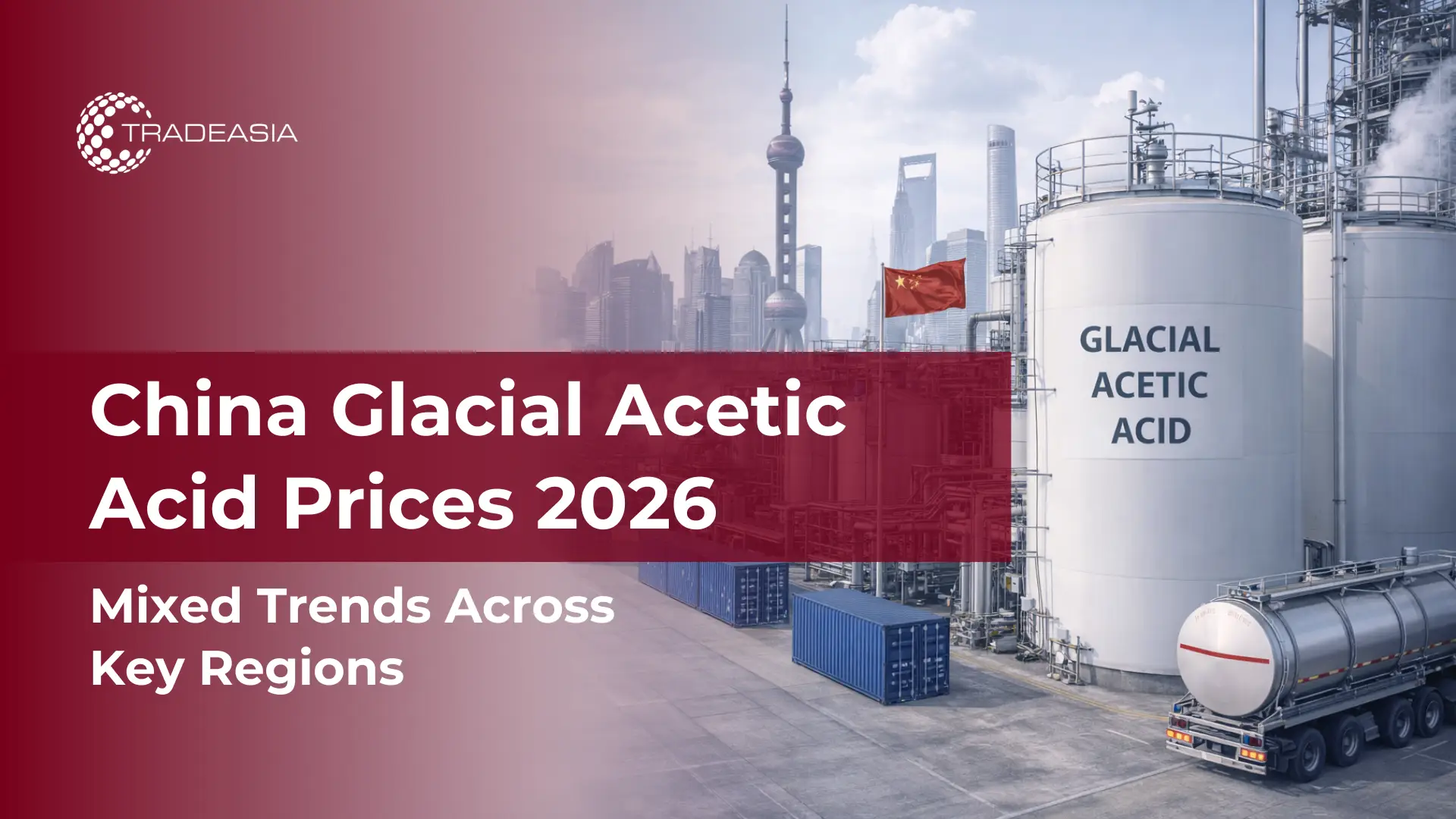

The clock is ticking for acetic acid buyers in India. With only six days remaining before the current customs duty exemption expires on June 30, procurement teams face a narrow opportunity to secure imports under existing cost structures.
The stakes extend well beyond a single chemical. Acetic acid sits at the center of multiple manufacturing chains, supporting vinyl acetate monomer production, purified terephthalic acid manufacturing, textile processing chemicals and pharmaceutical synthesis. While policymakers continue evaluating whether to extend the exemption, no formal decision has emerged, leaving buyers to plan around uncertainty rather than certainty.
For companies entering Q3 inventory planning, the key question is straightforward: secure volumes now under zero duty or wait for a possible extension that may never materialize.
Why Acetic Acid Matters Across Multiple Industries
Acetic acid remains one of the most widely used industrial organic acids in global chemical manufacturing.
Its importance stems from the fact that it functions both as a feedstock and as a processing ingredient. Demand therefore spans several sectors rather than depending on a single end-use market.
Major consuming industries include:
• Vinyl acetate monomer producers, where acetic acid serves as a critical raw material for adhesives, coatings and packaging applications.
• PTA manufacturers that support polyester fiber and PET resin production throughout Asia.
• Textile chemical suppliers that formulate auxiliaries used in dyeing, finishing and fabric treatment processes.
• Pharmaceutical manufacturers that rely on acetic acid derivatives and intermediates during synthesis operations.
Because these industries often operate on tight production schedules, disruptions in acetic acid procurement can quickly affect downstream manufacturing output.
The Zero-Duty Window Is Nearing Its End
The current customs duty exemption has provided Indian buyers with a significant cost advantage during a period of international supply uncertainty.
Importers have benefited from lower landed costs on shipments arriving from major producing regions including China and Southeast Asia. This advantage has improved purchasing economics and helped stabilize input costs across several manufacturing sectors.
However, June 30 represents an important deadline.
Without an official extension, buyers must assume that duty costs could return immediately after the exemption period expires. Procurement decisions therefore need to reflect existing policy rather than potential policy outcomes.
How Hormuz Developments Influence the Extension Debate
Government discussions regarding a possible extension remain closely tied to broader energy and trade developments.
Recent diplomatic progress and discussions surrounding regional stability have improved expectations that supply conditions may gradually recover over the coming months. Some market participants believe this recovery could reduce pressure on chemical supply chains within roughly sixty days.
That possibility explains why authorities continue evaluating available options.
At the same time, improved conditions do not automatically guarantee a policy extension. Buyers should separate market expectations from official decisions when planning procurement strategies.
Potential Cost Impact if the Exemption Ends
The commercial implications of an expired exemption are substantial.
Industry participants estimate that landed import costs for acetic acid could increase by approximately 5% to 8% if duty charges return after June 30. For large-volume consumers, even modest percentage increases can materially affect quarterly purchasing budgets.
The impact becomes more significant when companies purchase thousands of metric tons annually.
Key areas likely to experience cost pressure include:
• Textile manufacturing operations with continuous raw material requirements.
• Packaging producers dependent on VAM and related downstream products.
• Pharmaceutical companies managing long production cycles and strict cost controls.
• Chemical distributors supplying regional industrial customers.
For many organizations, securing inventory before the deadline may offer a clearer financial outcome than waiting for a policy decision that remains uncertain.
Acetic Acid Trade Flows Into India
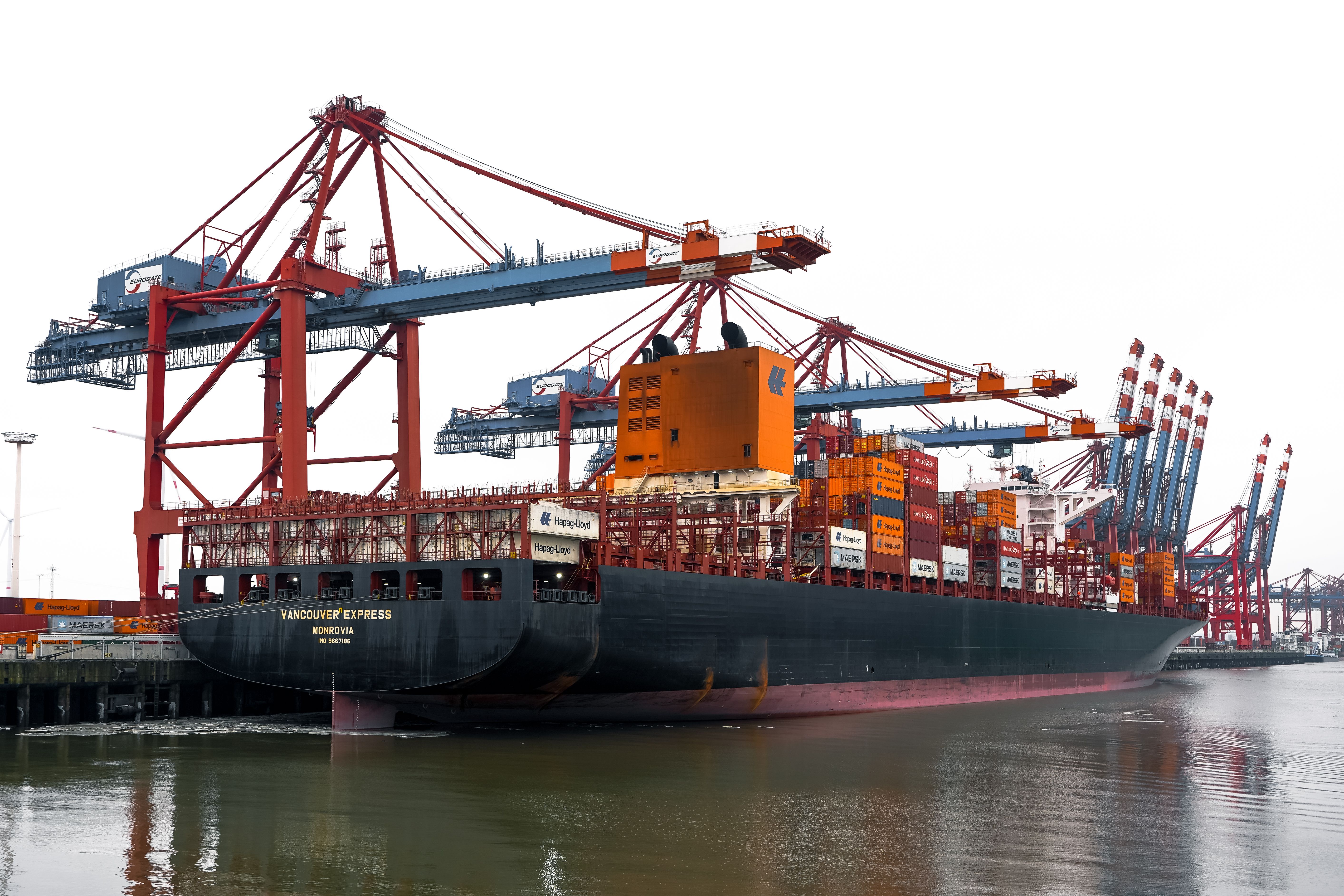
India relies on a combination of domestic production and imported material to satisfy industrial demand.
Imports from China and Southeast Asia play a particularly important role during periods of elevated consumption. Competitive pricing, established shipping routes and large production capacities have made these regions key suppliers to Indian buyers.
Current procurement activity reflects several trends:
• Buyers are accelerating contract discussions ahead of the June 30 deadline.
• Trading companies are monitoring customs developments closely.
• Logistics providers are seeing increased interest in expedited clearance schedules.
• Manufacturers are reviewing inventory coverage for the third quarter.
These trends suggest that purchasing activity may remain elevated throughout the final days of the exemption period.
What Textile Manufacturers Should Consider
The textile sector represents one of the most important downstream consumers affected by this policy decision.
Acetic acid contributes to numerous textile processing applications, particularly where precise pH control and chemical treatment performance matter. Many manufacturers already face competitive pressure from export markets and fluctuating raw material costs.
Procurement managers should assess:
• Existing inventory coverage through Q3.
• Scheduled production volumes for upcoming customer orders.
• Exposure to imported acetic acid pricing.
• Alternative sourcing arrangements if costs increase.
Early action can reduce the likelihood of unexpected cost increases affecting production margins later in the quarter.
Packaging and PET Value Chains Face Similar Exposure
Packaging manufacturers also have a direct interest in acetic acid procurement trends.
Acetic acid supports the production chain for VAM and PTA, both of which connect to major packaging applications. Any increase in feedstock costs can gradually move through downstream value chains.
Companies involved in PET production, flexible packaging and industrial adhesives should pay particular attention to current market conditions.
While the actual impact will vary by business model, securing competitively priced feedstock remains an important objective across the sector.
Pharmaceutical Producers Need Procurement Visibility
Pharmaceutical manufacturing typically emphasizes reliability as much as price.
Production schedules, regulatory requirements and product commitments often limit the ability to make rapid sourcing changes. As a result, procurement teams generally benefit from greater supply certainty whenever market conditions become less predictable.
Several procurement priorities stand out:
• Confirm supplier commitments for Q3 deliveries.
• Review inventory positions against planned production schedules.
• Evaluate landed cost scenarios under different policy outcomes.
• Avoid excessive dependence on last-minute spot purchases.
These measures can strengthen supply continuity while supporting cost management objectives.
Procurement Strategies for the Final Six Days
The remaining procurement window requires disciplined decision-making rather than speculation.
Buyers do not need to predict government action perfectly. They need to evaluate the relative risks of acting now versus waiting for additional information.
Several practical steps can help:
• Contract critical Q3 requirements before the exemption deadline where financially justified.
• Prioritize customs clearance timing alongside purchase negotiations.
• Diversify supplier exposure when possible.
• Monitor official announcements while continuing procurement execution.
• Build contingency plans for post-deadline pricing scenarios.
The strongest procurement strategies typically focus on controllable factors rather than uncertain policy outcomes.
What Buyers Should Do Before June 30
The current market environment presents a rare combination of opportunity and uncertainty. Buyers can still access zero-duty acetic acid imports today, yet no confirmed extension guarantees that the same economics will remain available next week.
For procurement managers, the decision increasingly centers on risk management rather than market forecasting. A potential 5% to 8% increase in landed costs may outweigh the benefits of waiting, particularly for companies with significant third-quarter consumption requirements.
As manufacturers finalize Q3 purchasing plans, inventory coverage, supplier commitments and customs timelines should move to the top of the agenda. Organizations that act before the deadline may secure greater cost visibility during the months ahead. Ready to source acetic acid from verified global suppliers? Explore competitive offers on our platform today.
Glacial Acetic Acid (99,8%) - China CAS: 64-19-7