
Calcium Hydroxide - China CAS: 1305-62-0

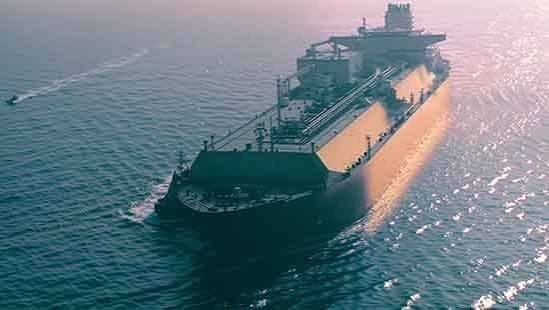
The collapse of the June 17 ceasefire and the resumption of tanker attacks have renewed attention on war-risk insurance pricing for global shipping. Chemical procurement teams should evaluate freight costs, insurance exposure and logistics contingency plans.
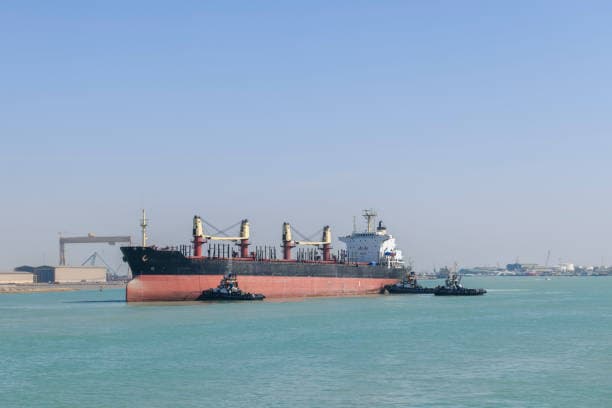
Despite heightened tensions in the Persian Gulf, Iranian-flagged ships continue to navigate key maritime corridors. Their persistent presence offers clues about regional shipping resilience, chemical logistics, and the evolving power dynamics of global supply chains.

The withdrawal of P&I insurance during the earlier Hormuz disruption sparked discussion about government-backed insurance solutions for commercial shipping. Chemical procurement and compliance teams should understand how future insurance frameworks could influence freight costs and supply chain resilience.
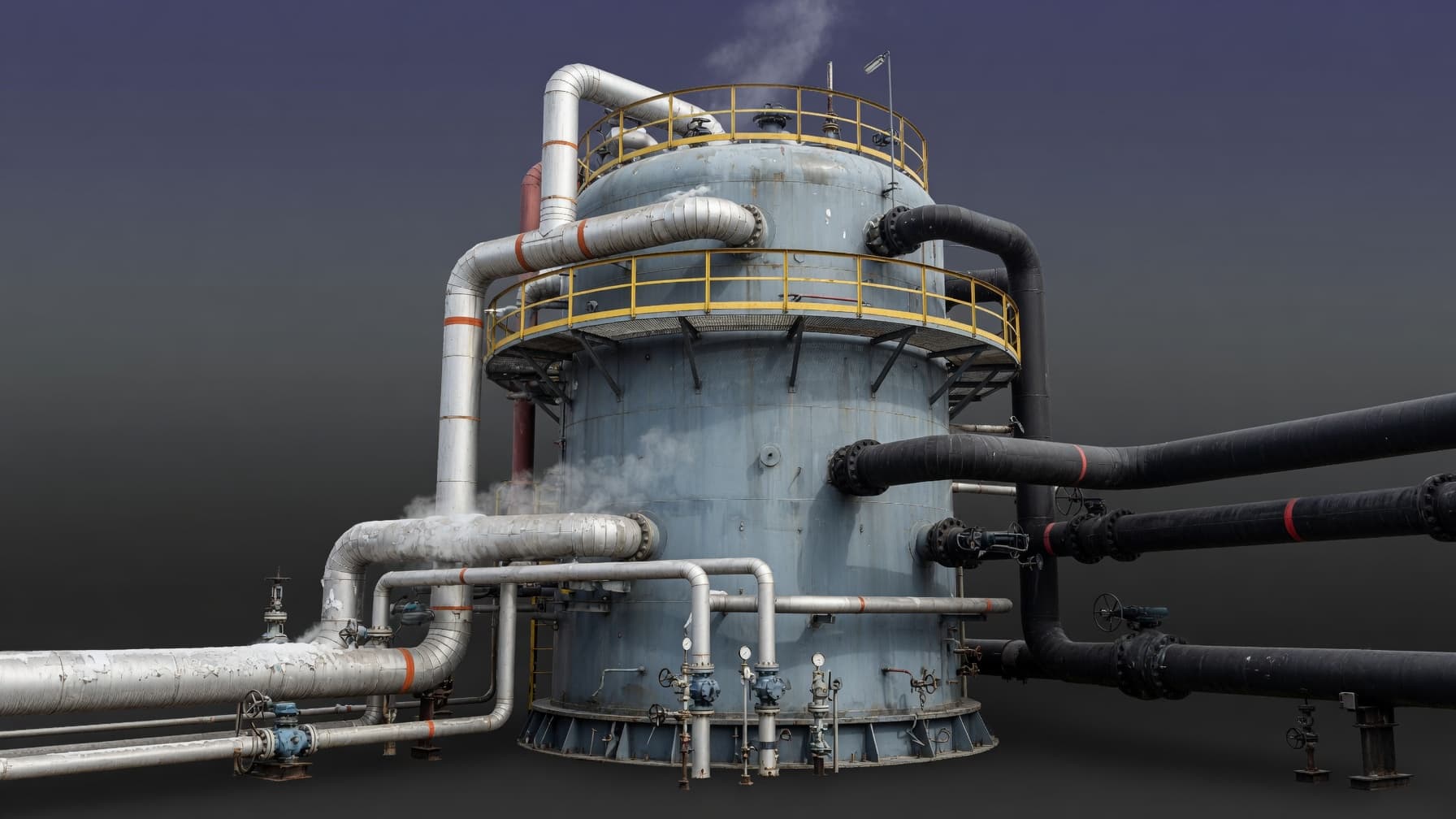
German chemical capacity utilization improved slightly to 75.1% but remains below the level needed for profitable production. With VCI expecting output to fall again across 2026, procurement teams should prepare for restructuring, reduced local availability and greater import dependence.

Thousands of vessels stranded in the Persian Gulf during the 2026 disruption created unexpected demand for water treatment and vessel maintenance chemicals. As shipping resumes, fleet inventory replenishment is expected to drive strong Q3 procurement activity.
Chemical supply chains depend on stable trade routes, diplomatic channels and predictable negotiations. The Oman crisis shows how quickly geopolitical decisions can affect sourcing strategies, supplier confidence and procurement planning.
We're committed to your privacy. Tradeasia uses the information you provide to us to contact you about our relevant content, products, and services. For more information, check out our privacy policy.